
Different boats require different removal planning based on size, hull material, trailer availability, marina access, condition, and location. Here is how we approach each vessel type.
Mast-stepping, keel depth, jack stands, and rigging management make sailboat removal a specialized job.
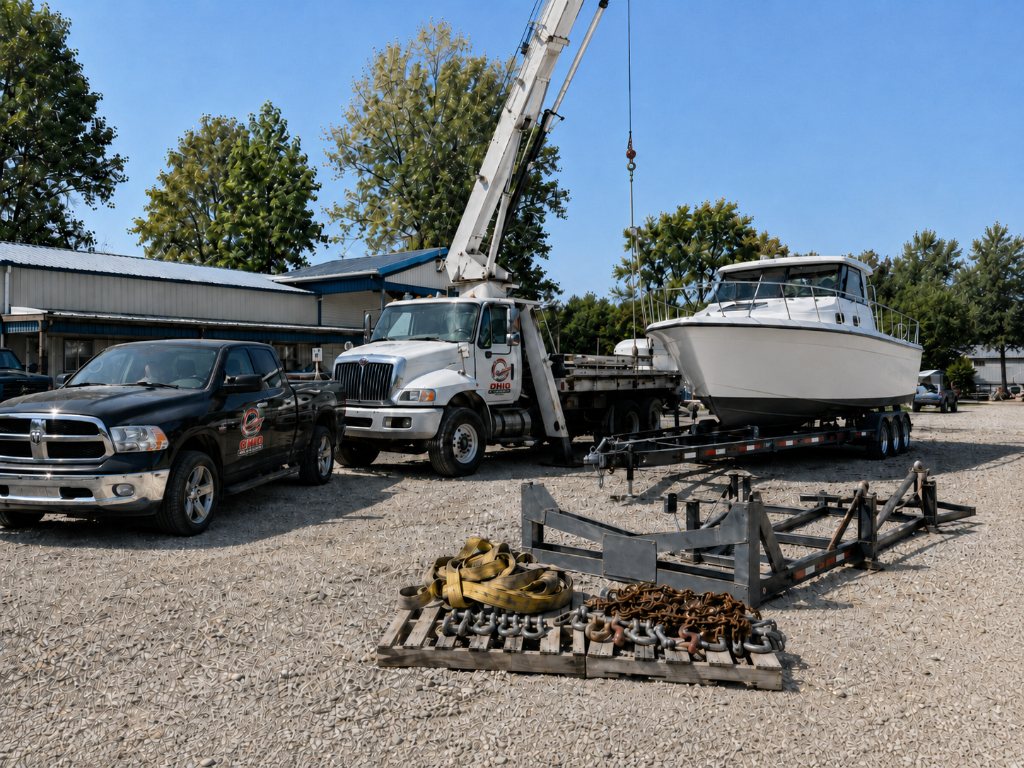
Heavier hulls, inboard engines, and steel framing require heavier trailers and wider access.
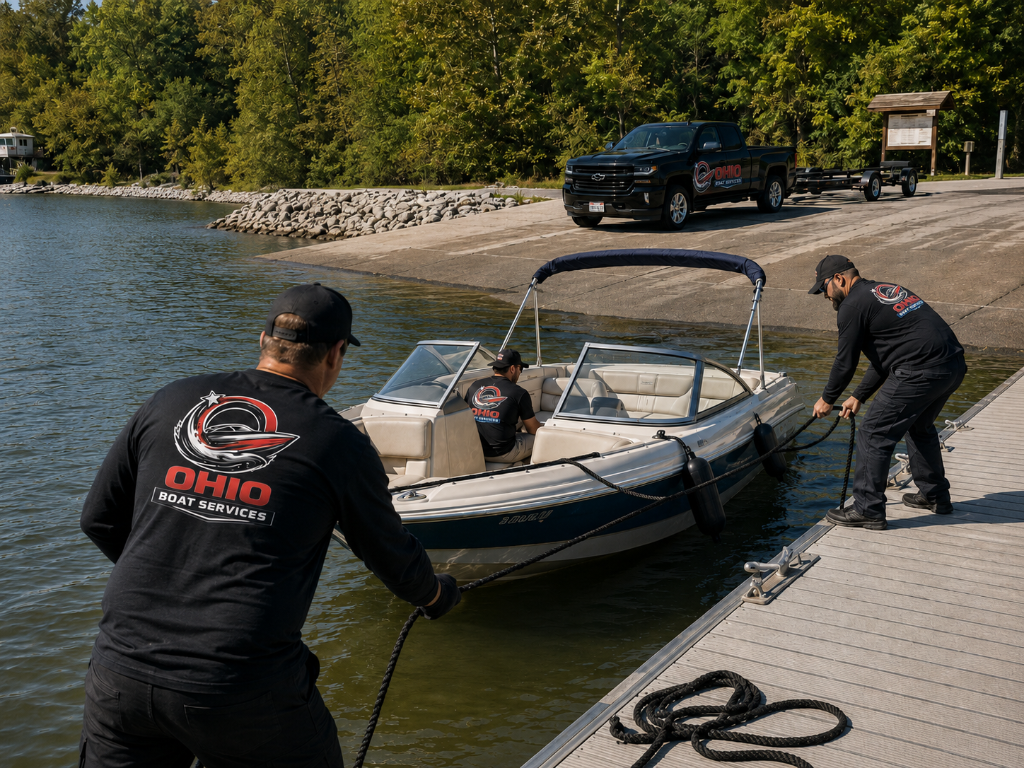
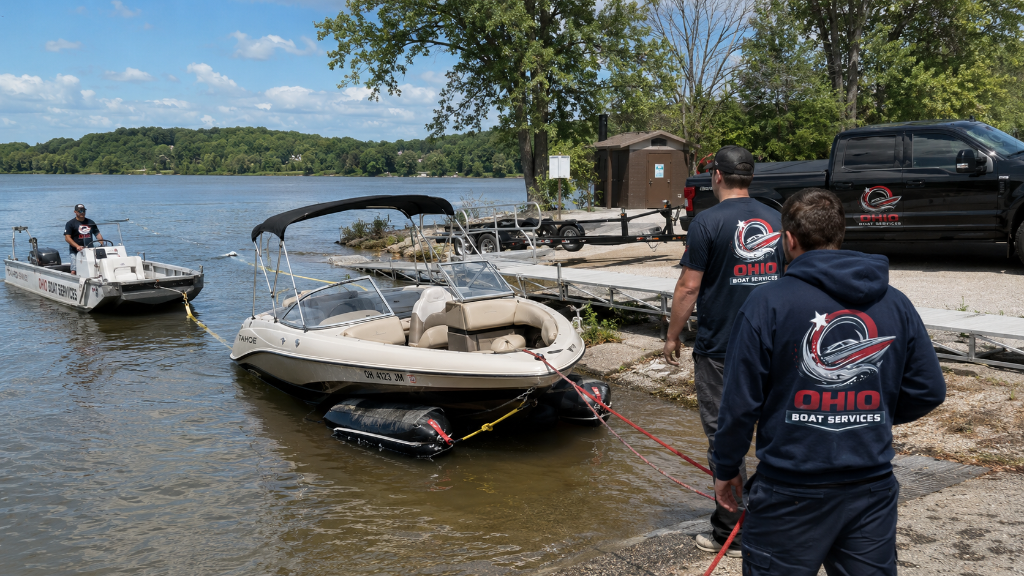
Runabouts, bowriders, and pontoons — the most common removals, often with tight access or missing trailers.
Larger vessels require crane planning, route clearance, and careful marina coordination.
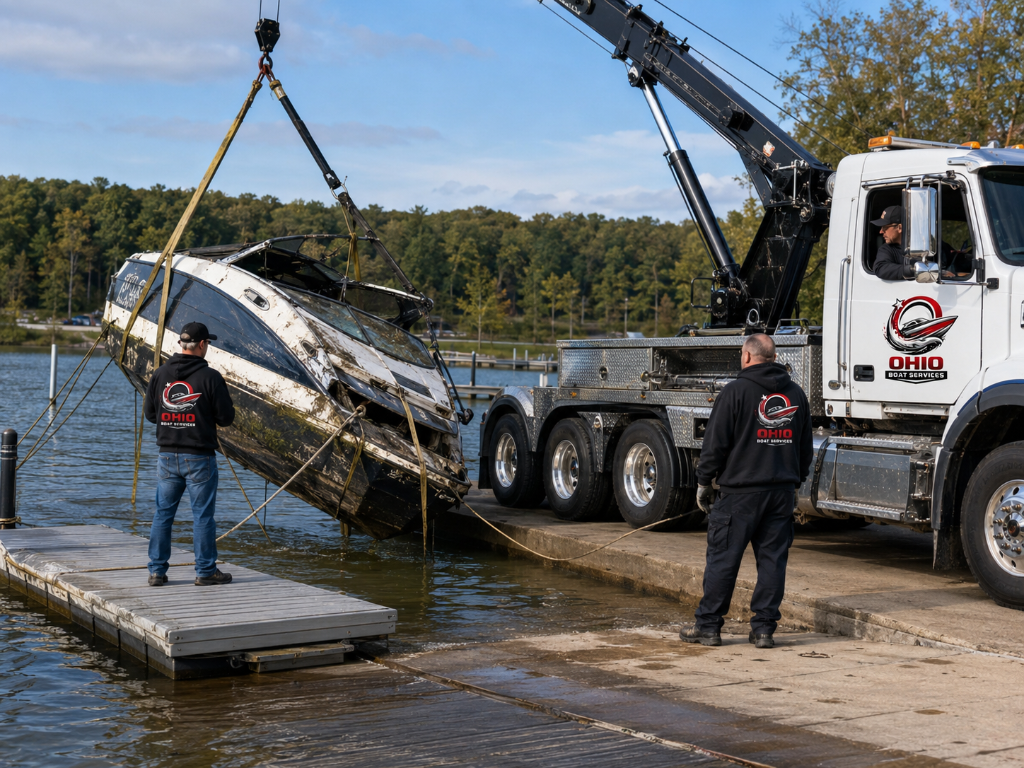
Fiberglass does not biodegrade. We handle cutting, hauling, and proper disposal routing.
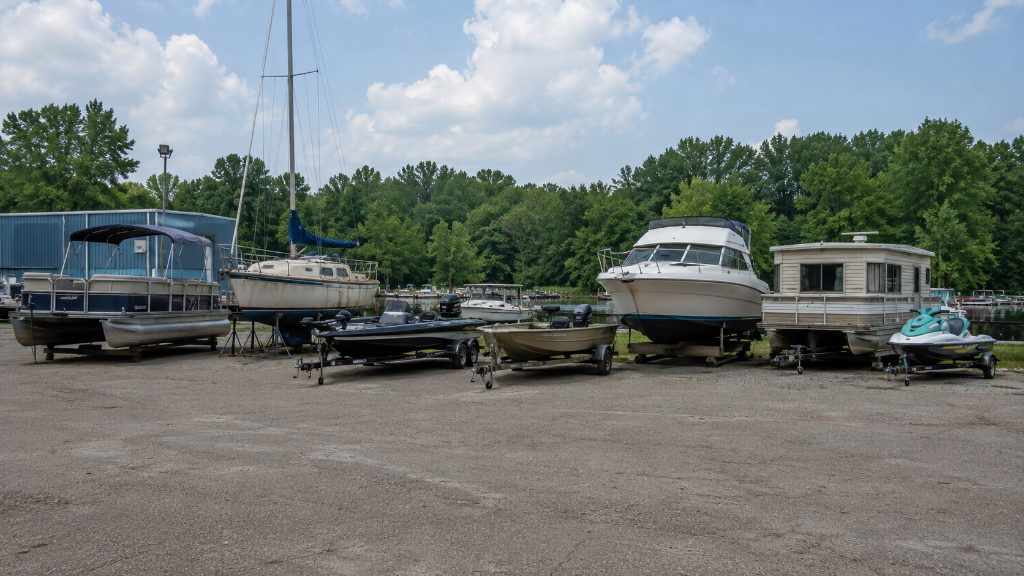
Wide, heavy, and often deteriorated — the most complex removal we handle, planned end to end.
Each vessel type has specific challenges. Here is what drives the removal plan for each.
Mast-stepping, keel depth, jack stands, and marina coordination for sailboat removal and disposal.
Sailboats present challenges that powerboats do not — a tall mast, a deep keel, and rigging that has to come down or be managed. We plan sailboat removal around all of it.
Workboats, fishing boats, and commercial hulls removed with dock access, heavy trailers, and utility vessel planning.
Workboats, fishing boats, and commercial hulls are built heavier and tougher than recreational boats. Removing them takes heavier trailers, wider access, and different planning.
Runabouts, bowriders, pontoons, and small cruisers removed from ramps, yards, docks, and private property.
Runabouts, bowriders, pontoons, and small cruisers are the most common boats we remove. They are also the ones most often sitting where access is tight or a trailer is missing.
Larger vessels removed with crane planning, careful handling, and marina transport coordination.
Larger vessels require more planning, heavier equipment, and more careful handling. We coordinate cranes, transport, and marina logistics for yacht and luxury boat removal.
Fiberglass hull disposal, cutting, hauling, and recycling considerations for end-of-life fiberglass vessels.
Fiberglass is the most common hull material, and it does not go away easily. We handle fiberglass boat removal with cutting, hauling, and proper disposal planning.
Large, heavy floating structures removed with marina coordination, ramp and crane planning, and access management.
Houseboats are among the largest and heaviest vessels to remove — wide, top-heavy, and often sitting in water with limited access. We plan removal around all of it.